
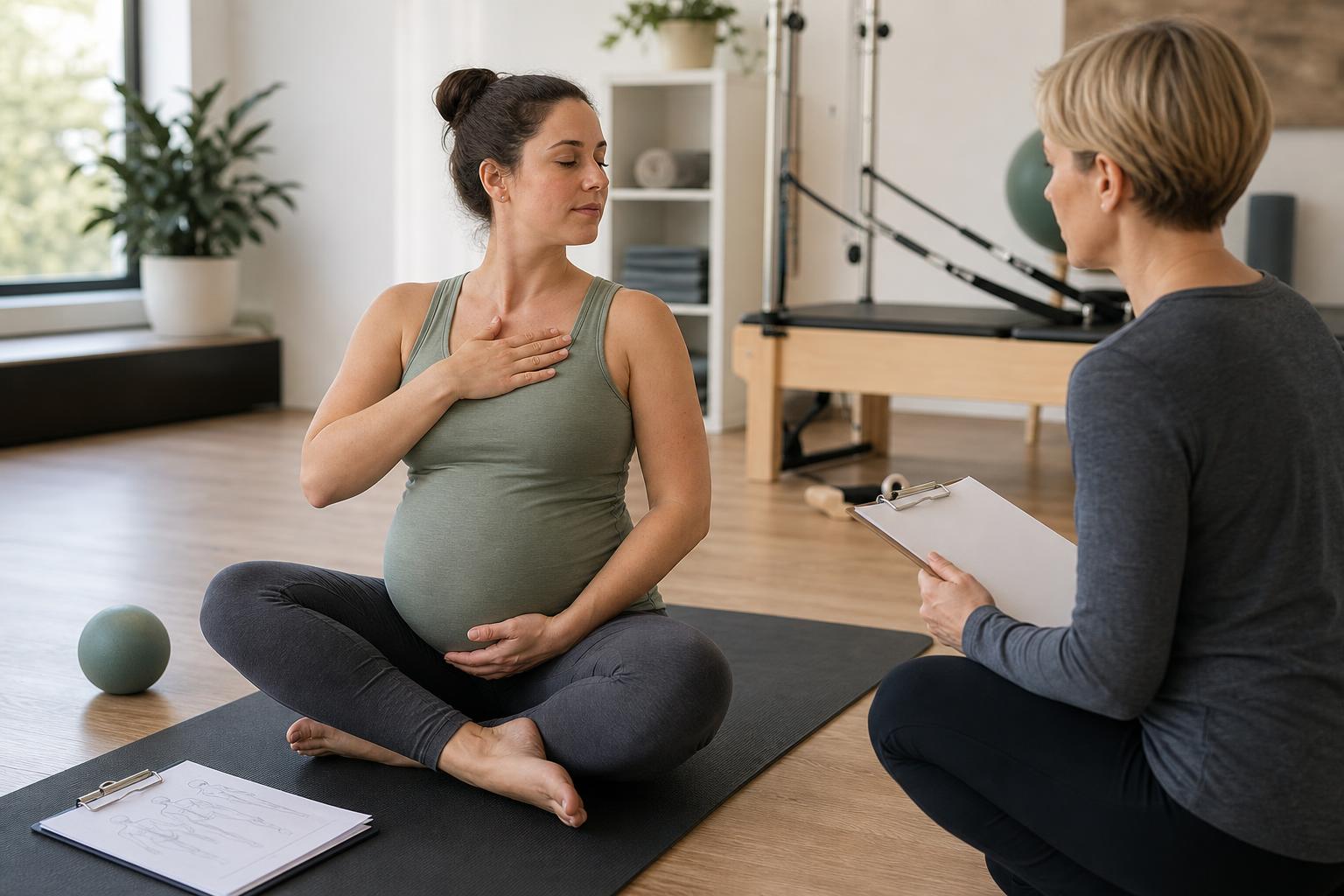
A scoping review of 21 studies reports positive associations between Pilates and sleep quality, pain, depressive symptoms and urinary incontinence during pregnancy, while highlighting substantial variation in programmes, instructors, session frequency and study quality.
A scoping review published in 2025 has examined how Pilates has been used during pregnancy and which maternal health outcomes it may influence. Researchers searched six databases and included 21 controlled or quasi-experimental studies involving healthy women, primarily in the second or third trimester. The review covered research published over the previous decade, although the methods section also refers to studies dating from 2004.
Sleep quality and pain were among the most frequently studied outcomes. Five of six sleep-related studies reported significant improvements, while all six studies examining pain reported benefits. The review also found consistently positive findings across five studies assessing depression. Other reported areas included urinary incontinence, disability, muscle strength, stress, anxiety, fear of childbirth, pelvic stabilisation, satisfaction and aspects of labour and birth outcomes.
Traditional Pilates was the most common approach, appearing in 10 studies. Four studies used online or tele-Pilates, three used pregnancy-specific Pilates and two used clinical Pilates. Programmes lasted between four and 16 weeks, with twice-weekly sessions the most frequently reported format. Pilates instructors delivered nine interventions and physiotherapists delivered six; one study involved a midwife certified in Pilates rehabilitation. Several programmes combined Pilates with childbirth education, aerobic exercise or other interventions, making direct comparisons difficult.
The authors conclude that Pilates could be incorporated into antenatal care, but call for more standardised protocols. The evidence should not be interpreted as proof that every Pilates programme will produce the same results: the review used narrative synthesis rather than meta-analysis, and the studies varied in design, duration, frequency, delivery method and practitioner qualifications. Some outcomes, including sleep quality and quality of life, were not significantly improved in every study. For the international Pilates community, the findings underline both the growing research interest in pregnancy-specific practice and the need for clearly defined, professionally supervised programmes that can be evaluated consistently.
Read the full article:
The effects of pilates method in pregnant women: scoping review – PMC
Image: AI-generated illustration.